Home
›
Medical Device Wholesale License Registration
Introduction
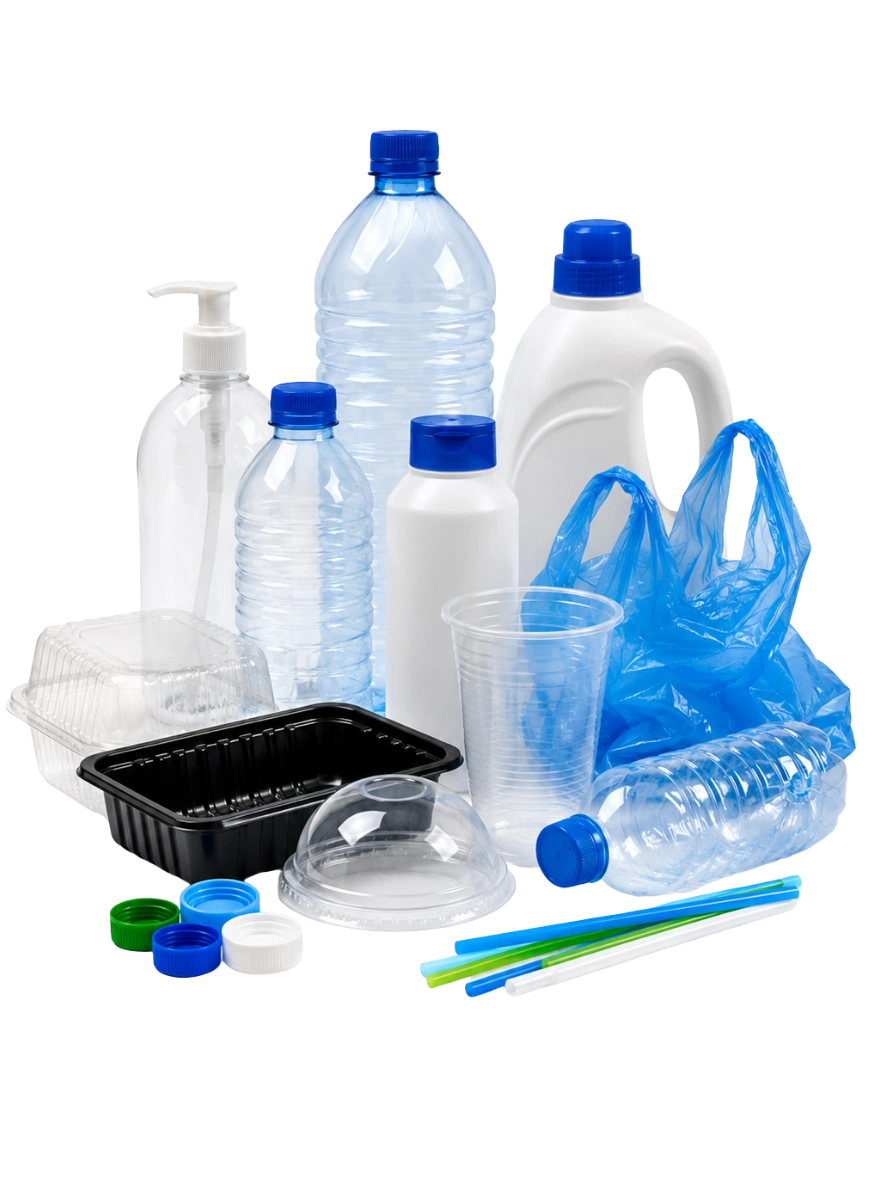
EPR credits for plastic waste are certificates generated on the CPCB's centralised EPR portal by registered Plastic Waste Processors (recyclers, co-processors, and waste-to-energy operators) once they verifiably collect, recycle, or process plastic waste.
Producers, Importers, and Brand Owners (PIBOs) buy these credits to meet their annual recycling obligations under the Plastic Waste Management Rules, 2016, whenever their own collection falls short of the target. Credit prices are market-driven, with no fixed government floor or ceiling — unlike battery and e-waste credits. Falling short of your target, even after buying credits, triggers environmental compensation starting at Rs. 5,000 per tonne.
What Are EPR Credits for Plastic Waste?
Extended Producer Responsibility (EPR) for plastic packaging makes Producers, Importers, and Brand Owners — collectively called PIBOs — financially and legally responsible for ensuring a defined share of the plastic packaging they place on the Indian market is collected and recycled every year. This obligation runs under the Plastic Waste Management Rules, 2016, whose EPR framework (Schedule II) was substantially strengthened by the amendment of 16 February 2022, and operates through the centralised CPCB EPR portal.
EPR credits — also called EPR certificates — are the mechanism that makes this obligation tradeable. Registered Plastic Waste Processors (PWPs), which include recyclers, co-processors (such as cement kilns using plastic as alternative fuel), and waste-to-energy operators, generate credits on the portal once they've verifiably processed a specific quantity of plastic waste. PIBOs who can't fully meet their own recycling target through direct collection can then purchase matching-category credits from these processors to close the gap.
How the EPR Credit System Works: Generation vs Purchase
| Side |
Who's Involved |
What Happens |
| Generation (supply side) |
Registered Plastic Waste Processors — recyclers, co-processors, waste-to-energy operators |
Process plastic waste, get quantities verified, and receive EPR credits/certificates on the CPCB portal against the verified tonnage |
| Purchase (demand side) |
Producers, Importers, Brand Owners (PIBOs) |
Buy matching-category credits from processors with a surplus, when their own direct collection and recycling doesn't fully meet their annual target |
| Regulator |
Central Pollution Control Board (CPCB) |
Operates the centralised portal, verifies quantities, tracks category-wise targets, and enforces environmental compensation for shortfalls |
This two-sided system is what makes EPR functional at scale: PIBOs declare how much plastic packaging they introduce into the market, and PWPs report and verify how much they've actually processed, with credits acting as the bridge between the two.
Plastic Packaging Categories and Recycling Targets
CPCB classifies plastic packaging into categories, each with its own recycling target that has been rising steadily since the 2022 amendment. Recycling targets for the higher-recyclability categories have moved from roughly 50% in FY2025 toward 80% by FY2028, while other categories have moved from around 30% toward 60% over the same period, and the overall collection obligation has stood at 100% of the eligible quantity since 2023-24.
Your EPR target is based on the average quantity of plastic packaging you introduced into the market over the preceding years, minus any pre-consumer waste or supply already routed to registered brand owners.
Each category has its own recycling percentage requirement — credits must generally be sourced within the matching category to count toward your target.
A 2025-26 minimum recycled content mandate now runs alongside the collection and recycling targets, adding a further compliance dimension for PIBOs to track.
Freshness note — 2026 PWM Amendment :
The PWM (Amendment) Rules, 2026, notified 31 March 2026, reshaped how certificates, audits, and shortfall handling work under the plastic EPR framework. If your understanding of plastic EPR credits predates this amendment, it's worth a fresh review — several operational details have changed, and CPCB has also tightened certificate audits following the discovery of fraudulent certificates in 2024.
Why EPR Credits Matter for Both PIBOs and Processors
For PIBOs: Credits offer a legal, flexible way to meet recycling targets without having to build or manage your own end-to-end collection and recycling infrastructure.
For PIBOs: Buying credits avoids or reduces environmental compensation liability that would otherwise apply for an unmet target.
For processors: Generating and selling credits creates a genuine revenue stream tied to verified plastic waste processing, incentivising more recycling capacity.
For the ecosystem: The credit market channels demand toward registered, verified processors, helping crowd out informal or unverified waste handling.
For compliance-conscious brands: Sourcing credits from a properly vetted, CPCB-registered processor supports genuine sustainability claims, rather than paperwork that doesn't reflect real-world recycling.
Who Needs to Register For EPR Credits For Plastic Waste
| Entity Type |
Registration Requirement |
| PIBOs operating in more than two states/UTs |
Register centrally with CPCB |
| PIBOs operating in one or two states/UTs |
Register with the relevant State Pollution Control Board (SPCB) or Pollution Control Committee (PCC) |
| Plastic Waste Processors (recyclers, co-processors, waste-to-energy operators) |
Typically register with CPCB for EPR credit generation, regardless of operational scope |
| Micro & Small category brand owners |
Generally exempted from fulfilling the EPR obligation |
| Export-oriented units |
Generally exempted from fulfilling EPR obligations on exported goods |
Processors must also hold a valid Consent to Operate from the relevant State Pollution Control Board before applying for EPR registration, since plastic waste processing facilities fall under separate pollution-control consent requirements.
Documents Required for EPR Credits For Plastic Waste
Whether you're registering as a PIBO or a Plastic Waste Processor, you'll typically need:
PAN, GST registration, and Certificate of Incorporation (or equivalent constitution documents) of the company.
Aadhaar and PAN of the authorized signatory.
Valid Importer Exporter Code (IEC), for importers of plastic packaging or plastic-containing goods.
Detailed breakdown of the plastic packaging material introduced into the market, by category and quantity.
Consent to Establish (CTE) and Consent to Operate (CTO) under the Air and Water Acts, for entities with manufacturing or recycling facilities.
Agreements with registered recyclers or Producer Responsibility Organisations (PROs), where relevant to your compliance plan.
An EPR action plan describing how your recycling/collection targets will be met.
Verify before you file :
CPCB's document checklist and portal fields are periodically refined, particularly following the 2026 PWM amendment. Review the current requirements on the centralised EPR portal (eprplastic.cpcb.gov.in) before submitting, rather than relying solely on a checklist from a previous compliance cycle.
Step-by-Step Process: Registering and Trading EPR Credits
Determine your entity type — PIBO or Plastic Waste Processor — and whether you register with CPCB (more than two states/UTs) or your State Pollution Control Board/PCC (one or two states).
Gather your constitution documents, IEC (for importers), and — for processors — your Consent to Establish/Operate.
Register on the centralised CPCB EPR portal, providing company, signatory, and operational plan details.
For PIBOs: calculate your annual EPR target based on your average plastic packaging introduced into the market over the relevant preceding years, by category.
For Processors: begin processing plastic waste and submitting verified quantity data to the portal to generate EPR credits.
PIBOs unable to meet their target through direct collection can browse and purchase matching-category credits from processors with a surplus, directly through the portal's credit trading mechanism.
File your annual return (commonly referenced as Form-1) online through the CPCB portal by 30 June following the obligation year, reporting quantities collected, recycled, and credits traded.
Retain supporting records — recycler agreements, credit transaction records, and verification certificates — for future compliance checks or audits.
EPR Credits & Registration Cost: Fee Table
| Cost Component |
Typical Structure |
| Initial EPR registration fee |
Commonly cited in slabs based on annual plastic tonnage — roughly Rs. 10,000 for smaller volumes (under ~1,000 TPA) up to Rs. 50,000 for higher-volume applicants |
| Annual processing fee |
Commonly cited as around 25% of the application fee, payable yearly |
| Renewal fee |
Generally the same as the initial registration fee |
| EPR credit/certificate price |
Market-driven — no statutory floor or ceiling for plastic credits, unlike the banded pricing structures used for battery and e-waste credits |
| Environmental compensation (for shortfall) |
Commonly cited starting at Rs. 5,000 per tonne for a first shortfall year, rising for consecutive shortfall years |
Environmental Compensation for Shortfalls: How It Escalates
| Shortfall Year |
Environmental Compensation Rate |
| First year of shortfall |
Rs. 5,000 per tonne of unmet obligation |
| Second consecutive year of shortfall |
Rs. 10,000 per tonne |
| Third consecutive year of shortfall |
Rs. 20,000 per tonne |
Paying environmental compensation doesn't cancel your underlying obligation — the shortfall is commonly understood to carry forward for up to three financial years, and a portion of the compensation paid can be refunded if the shortfall is subsequently met, with the refund percentage typically decreasing the longer it takes to close the gap.
Validity & Renewal of EPR Registration
| Question |
Answer |
| How long is a new EPR registration valid? |
Commonly cited as 1 year for an initial (first-time) registration |
| How long is a renewed EPR registration valid? |
Commonly cited as 3 years for subsequent renewals, once compliance history is established |
| When should I apply for renewal? |
Renewal applications are generally expected at least 4 months before the current registration's expiry |
| What's required for renewal? |
Updated plastic packaging/processing data, evidence of target fulfillment (or environmental compensation payment history), and the renewal fee |
| Do EPR credits themselves expire or carry over? |
Credit banking and carry-over rules can be category- and cycle-specific; always confirm the current portal rules for how long a generated credit remains usable before it must be applied against an obligation year |
EPR Plastic Waste Compliance Timeline
| Activity |
Typical Timing |
| Registration application processing |
Commonly cited in the range of 15 to 60+ working days, depending on completeness and category |
| Query/clarification response |
Respond promptly — delayed responses are a common cause of extended processing timelines |
| Credit generation and trading |
Ongoing through the obligation year, as processors verify quantities and PIBOs source matching credits |
| Annual return filing |
By 30 June, following the close of the obligation year (1 April - 31 March) |
| Renewal application |
At least 4 months before your current registration's expiry |
Why Choose Silvereye Certifications for EPR Credits & Plastic Waste Compliance
Navigating the plastic EPR credit market means getting your target calculation right, sourcing credits from genuinely verified processors, and staying ahead of a framework that's changed significantly with the 2026 PWM amendment. Here's how Silvereye Certifications helps:
Accurate target calculation — we help you correctly calculate your category-wise EPR obligation, so you're neither over-buying credits nor under-covering your actual target.
Vetted processor connections — we help you source credits from properly CPCB-registered, verifiable Plastic Waste Processors, reducing the risk of relying on fraudulent or unverifiable certificates.
End-to-end registration support — whether you're registering as a PIBO or a Plastic Waste Processor, we handle documentation, portal filing, and query responses from start to finish.
Annual return and renewal tracking — we keep your 30 June annual return and your registration's renewal window on a compliance calendar, so nothing slips past its deadline.
Ongoing regulatory monitoring — as CPCB continues refining the plastic EPR framework post-2026, we keep your compliance approach current rather than working from outdated guidance.
Next step
Need help calculating your EPR target, sourcing verified plastic waste credits, or registering as a PIBO or processor? Talk to Silvereye Certifications for end-to-end EPR compliance support.
Frequently Asked Questions: EPR Credits for Plastic Waste
They're certificates generated on the CPCB EPR portal by registered Plastic Waste Processors once they verifiably process plastic waste. Producers, Importers, and Brand Owners buy these credits to help meet their annual recycling obligations under the Plastic Waste Management Rules, 2016.
Registered Plastic Waste Processors — including recyclers, co-processors (like cement kilns using plastic as alternative fuel), and waste-to-energy operators — generate credits against verified quantities of plastic waste they've processed.
PIBOs (Producers, Importers, Brand Owners) buy EPR credits when their own direct collection and recycling efforts don't fully meet their annual category-wise recycling target, to avoid or reduce environmental compensation liability.
Plastic EPR credit pricing is market-driven, with no statutory floor or ceiling set by CPCB — unlike battery and e-waste credits, which follow banded pricing structures.
You become liable for environmental compensation, commonly cited as starting at Rs. 5,000 per tonne of unmet obligation for a first shortfall year, rising for consecutive years of shortfall.
Not permanently. The underlying shortfall is commonly understood to carry forward for up to three financial years, and a portion of the compensation paid may be refunded if the shortfall is subsequently met.
A new (first-time) registration is commonly valid for 1 year, while a renewed registration is typically valid for 3 years, subject to your compliance history.
PIBOs operating in more than two states or union territories register centrally with CPCB. Those operating in one or two states register with the relevant State Pollution Control Board or Pollution Control Committee. Processors typically register with CPCB regardless of operational scope.
Micro and small category brand owners are generally exempted from fulfilling the EPR obligation, and export-oriented units are typically exempted for goods that are exported. However, exemption criteria can be specific — confirm your eligibility on the CPCB portal rather than assuming exemption applies.
Typically, constitution documents (PAN, GST, incorporation certificate), authorized signatory ID proof, Consent to Establish and Consent to Operate from your State Pollution Control Board, and details of your processing capacity and methodology.