Home
›
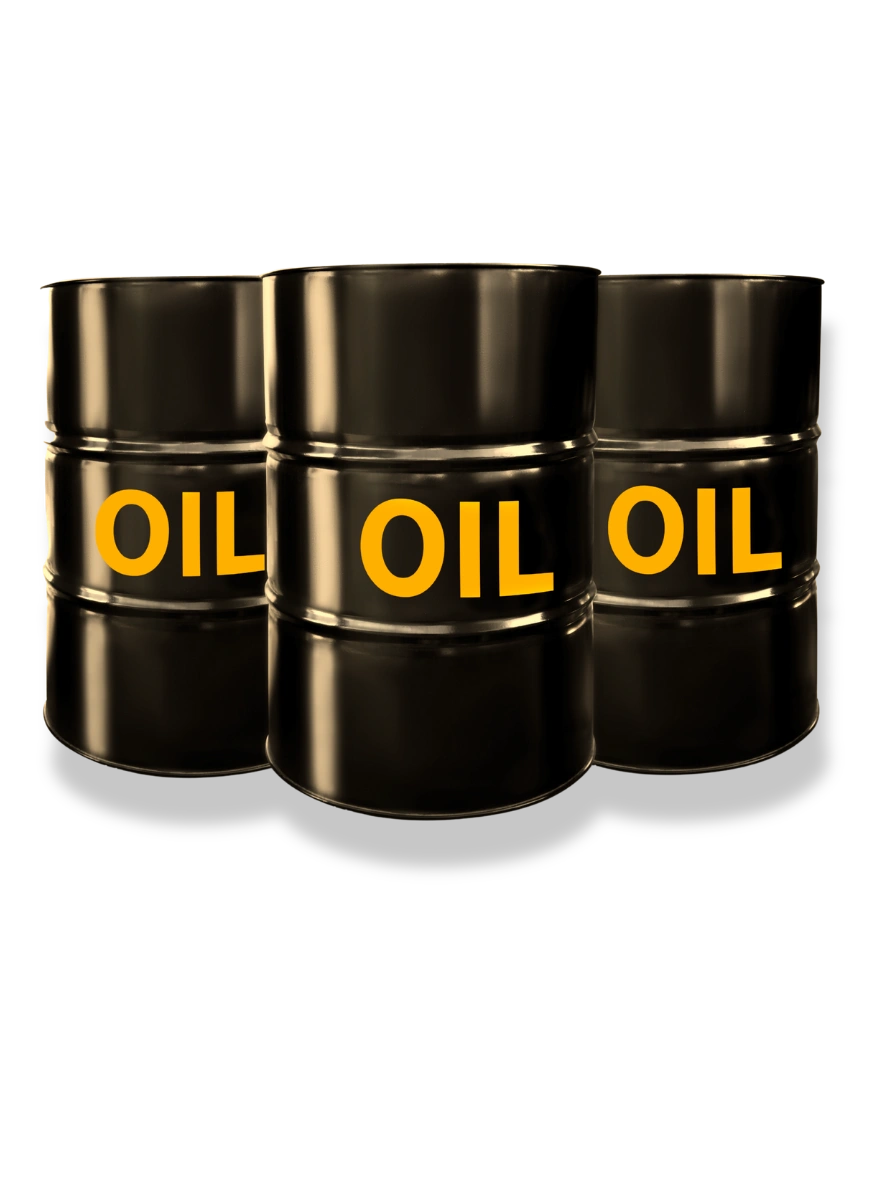
EPR Registration for Used Oil
Introduction
EPR Registration for Used Oil is a mandatory CPCB authorization under Chapter VII of the Hazardous and Other Wastes (Management and Transboundary Movement) Second Amendment Rules, 2023, effective from 1 April 2024. It applies to every producer of base oil or lubrication oil, used oil importer, collection agent, and recycler operating in India.
Registration is done on CPCB's centralized EPR Used Oil portal, where entities report sales or import volumes and meet escalating annual recycling targets — starting at 5% for 2024-25 and rising to 50% by 2030-31 — by purchasing EPR certificates from CPCB-registered recyclers. Non-compliance, false certificates, or unauthorized operation can trigger environmental compensation and legal action under the Environment (Protection) Act, 1986.
What Is EPR Registration for Used Oil?
EPR Registration for Used Oil is the legal authorization that the Central Pollution Control Board (CPCB) grants to producers of base oil or lubrication oil, importers of used oil, collection agents, and recyclers under the Hazardous and Other Wastes (Management and Transboundary Movement) Second Amendment Rules, 2023.
It formally establishes each entity's Extended Producer Responsibility (EPR) — the obligation to ensure that a defined share of the base oil or lubrication oil placed in the Indian market is collected as used oil and channelled to registered recyclers for environmentally sound re-refining or recycling.
This framework was notified by the Ministry of Environment, Forest and Climate Change (MoEFCC) via notification G.S.R. 677(E) dated 18 September 2023, inserted as Chapter VII of the Hazardous and Other Wastes Rules, and came into force on 1 April 2024. It extends India's EPR regime — already applied to plastic packaging, e-waste, batteries, and tyres — to one of the country's most under-recycled hazardous waste streams: used lubricating and industrial oil.
Legal Framework Governing Used Oil EPR Registration
Used oil EPR in India is governed by Chapter VII of the Hazardous and Other Wastes (Management and Transboundary Movement) Rules, inserted through the Second Amendment Rules, 2023.
Notified by MoEFCC via G.S.R. 677(E) dated 18 September 2023 and effective from 1 April 2024.
Applies to Producers of base oil/lubrication oil, Used Oil Importers, Collection Agents, and Recyclers.
CPCB operates a dedicated centralized EPR Used Oil portal for registration, targets, and certificate transactions.
Used oil imports are permitted strictly for re-refining purposes; any other use is a rule violation.
Section 15 of the Environment (Protection) Act, 1986 provides the penal framework for non-compliance.
Who Needs EPR Registration for Used Oil?
The used oil EPR framework defines specific stakeholder categories, and every entity except bulk generators must register on the CPCB portal. The main categories are:
| Entity Type |
EPR Registration Requirement |
| Producers |
Manufacture and sell base oil/lubrication oil under their own brand, sell lubrication oil made from third-party base oil under their own brand, or sell imported base oil/lubrication oil domestically. |
| Used Oil Importers |
Import used oil into India — permitted only for re-refining purposes — and must meet a 100% recycling obligation on the previous year's import volume. |
| Collection Agents |
Collect used oil from generators (workshops, industries, garages) and supply it to registered recyclers. |
| Recyclers |
Process used oil into re-refined base oil (RRBO) or other recycled products, and issue EPR Certificates to Producers/Importers. |
| Bulk Generators |
Entities generating more than 100 metric tonnes of used oil per annum; referenced in the rules but not required to register as Producers/Recyclers. |
Note:
If a single entity carries out more than one role — for example, Producer and Recycler — it must register separately for each role, unless they share the same GST number, in which case multiple roles can be selected under one sign-up.
Types of Oil Covered Under the Used Oil EPR Framework
CPCB's used oil EPR framework covers a wide range of base oil, lubrication oil, and industrial oil categories used across automotive, industrial, and commercial applications:
| Oil Category |
Typical Use |
| Engine Oil |
Automotive and industrial engine lubrication. |
| Hydraulic Oil |
Hydraulic machinery and industrial equipment. |
| Transformer Oil |
Electrical transformers and switchgear insulation/cooling. |
| Gear Oil |
Gearboxes in vehicles and industrial machinery. |
| Brake Oil / Fluid |
Vehicle braking systems. |
| Cutting Oil |
Metalworking and machining processes. |
| Thermal Fluids |
Industrial heat-transfer systems. |
| Re-Refined Base Oil (RRBO) |
Recycled base oil reintroduced into lubricant production, supporting the circular economy. |
Benefits of EPR Registration for Used Oil
Registration is mandatory to manufacture, import, or deal in base oil and lubrication oil in India.
Avoids environmental compensation charges and legal proceedings under the Environment (Protection) Act, 1986.
Builds credibility with B2B buyers, OEMs, and distributors who require EPR compliance proof.
Supports India's circular economy goals by channelling used oil into Re-Refined Base Oil (RRBO) production.
Reduces soil and water contamination risks linked to informal, unregulated used-oil disposal.
Positions early-compliant businesses ahead of rising future targets, which scale up to 50% by 2030-31.
Eligibility Criteria for Used Oil EPR Registration
You are required to register on the CPCB Used Oil EPR portal if your business falls into any of the following categories:
You manufacture and sell base oil or lubrication oil under your own brand in India.
You sell lubrication oil under your own brand using base oil manufactured by a third party.
You sell imported base oil or lubrication oil domestically.
You import used oil into India for re-refining.
You operate as a collection agent gathering used oil for supply to recyclers.
You operate as a recycler engaged in processing used oil.
Anyone who sells base oil or lubricating oil in India — whether or not they manufacture it — is treated as a Producer under these rules and must register, regardless of production volume. Even businesses whose products may later be exempted from recycling targets are still required to complete registration.
Documents Required for Used Oil EPR Registration
| Document |
Purpose |
| PAN Card of the Company |
Establishes the legal identity of the applicant entity. |
| GST Registration Certificate |
Confirms tax registration status of the business. |
| Certificate of Incorporation (CIN) |
Verifies company registration with the Ministry of Corporate Affairs, where applicable. |
| Import Export Code (IEC) |
Required for used oil importers and importers of base oil/lubrication oil. |
| Authorized Signatory Details |
PAN and authorization letter of the person filing on the company's behalf. |
| Sales / Procurement Data (2 Years) |
Historical data on oil sold, imported, or procured, used to compute EPR targets. |
| Used Oil Generation / Collection Data |
Applicable for collection agents and recyclers reporting volumes handled. |
| EPR Action Plan |
Describes the applicant's approach to meeting collection and recycling targets. |
| Consent to Operate (CTO) |
Required from the SPCB/PCC for recyclers operating a re-refining or processing facility. |
Step-by-Step Process for EPR Registration for Used Oil
Sign Up on the CPCB Used Oil EPR Portal: Create an account using company and authorized-person details, selecting the applicable role — Producer, Used Oil Importer, Collection Agent, or Recycler.
Select Applicable Categories: If your entity performs multiple roles under the same GST number, select all applicable categories in a single sign-up; otherwise register separately for each.
Fill the Registration Form: Provide company details, oil category information, and historical sales, import, or procurement data as required.
Upload Supporting Documents: Attach PAN, GST, CIN, IEC (if applicable), authorization letter, and the EPR action plan.
CPCB Review & Verification: CPCB scrutinizes the application and documents, raising queries for any missing or unclear information.
Grant of Registration: On approval, CPCB issues the registration and communicates the entity's applicable EPR target for the relevant financial year.
Purchase EPR Certificates: Producers and Importers meet their targets by purchasing EPR Certificates directly from CPCB-registered recyclers.
File Returns: Submit quarterly and annual returns on the CPCB portal within the prescribed deadlines.
EPR Targets and Ongoing Compliance Obligations
The core of used oil EPR compliance is meeting the annual recycling targets notified by CPCB. Targets for Producers are calculated as a percentage of base oil/lubrication oil sold or imported two years prior (Y-2), and rise progressively through 2030-31:
| Financial Year |
EPR Target for Producers (% of Y-2 sales/imports) |
| 2024-25 |
5% of quantity sold or imported in 2022-23. |
| 2025-26 |
10% of quantity sold or imported in 2023-24. |
| 2026-27 |
20% of quantity sold or imported in 2024-25. |
| 2027-28 |
20% of quantity sold or imported in 2025-26. |
| 2028-29 |
40% of quantity sold or imported in 2026-27. |
| 2029-30 |
40% of quantity sold or imported in 2027-28. |
| 2030-31 onward |
50% of quantity sold or imported in the relevant year (Y-2). |
Used Oil Importers face a flat annual target of 100% of the used oil imported in the preceding year.
New units established after 1 April 2024 get a two-year exemption before EPR obligations begin.
Producers/Importers may purchase EPR Certificates covering the current year's liability, any leftover liability from prior years, plus up to 10% of the current year's liability.
EPR Certificates are not tradable between producers or importers — they can only be purchased directly from registered recyclers.
Import of used oil is permitted strictly for re-refining; using imported used oil for energy recovery or any other purpose violates the rules.
Fees for EPR Registration for Used Oil
CPCB prescribes registration fees for Producers, Recyclers, Used Oil Importers, and Collection Agents under the Used Oil EPR framework, along with annual maintenance charges for registered entities.
Since exact fee slabs are periodically notified and updated by CPCB and can vary by applicant category and volume, it's advisable to confirm the current, exact fee directly on the CPCB Used Oil EPR portal or through a compliance consultant before submitting your application, rather than relying on a fixed published figure.
Validity, Renewal, and Compliance Timeline
| Milestone |
Timeline |
| Framework Effective Date |
1 April 2024 (Chapter VII, Hazardous and Other Wastes Second Amendment Rules, 2023). |
| EPR Certificate Validity |
Two years from the end of the financial year in which the certificate was generated. |
| New Unit Exemption |
Units established after 1 April 2024 get a two-year exemption before EPR obligations begin. |
| Quarterly Return Filing |
Due by all registered Producers, Importers, Collection Agents, and Recyclers within CPCB's notified deadlines. |
| Annual Return Filing |
Due annually, aligned with the financial year and CPCB's notified deadlines. |
| EPR Target Renewal |
CPCB issues a fresh annual EPR target each year based on prior-year sales, overdue obligations, and certificates already purchased. |
Why Choose Silvereye Certifications for Used Oil EPR Registration
Silvereye Certifications works with base oil and lubrication oil producers, importers, collection agents, and recyclers across India to simplify EPR registration end-to-end — from documentation and portal filing to EPR action plan preparation, target tracking, and EPR certificate procurement. Our team stays current with CPCB notifications and Chapter VII target revisions so your compliance never falls behind.
Get Your Used Oil EPR Registration Done Right — Talk to Silvereye Certifications
Silvereye Certifications helps base oil and lubrication oil producers, importers, collection agents, and recyclers across India complete CPCB EPR registration, track recycling targets, and manage EPR certificate purchases — without the compliance headache.
Connect with our regulatory consultants today for end-to-end EPR compliance support for used oil management.
Frequently Asked Questions on EPR Registration for Used Oil
It is the mandatory CPCB authorization under Chapter VII of the Hazardous and Other Wastes Second Amendment Rules, 2023, that establishes a base oil/lubrication oil producer's, importer's, collection agent's, or recycler's responsibility to meet annual used-oil recycling targets.
It came into force on 1 April 2024, following MoEFCC notification G.S.R. 677(E) dated 18 September 2023.
Producers of base oil or lubrication oil, used oil importers, collection agents, and recyclers. Bulk generators are referenced in the rules but are not required to register as Producers or Recyclers.
For financial year 2024-25, producers must recycle 5% of the base oil or lubrication oil sold or imported in 2022-23; this target rises progressively to 50% by 2030-31.
Used oil importers must meet a flat annual target of 100% of the quantity of used oil imported in the preceding year.
Applicants sign up on the CPCB Used Oil EPR portal, select their applicable category (Producer, Importer, Collection Agent, or Recycler), submit company and oil quantity data, upload documents, and await CPCB verification.
EPR Certificates are valid for two years from the end of the financial year in which they were generated.
No. Unlike some other EPR frameworks, used oil EPR Certificates are not tradable between producers or importers — they can only be purchased directly from registered recyclers.
No. Import of used oil is permitted strictly for re-refining. Using imported used oil for energy recovery or any other purpose violates the rules and can lead to cancellation of registration.
Typically PAN, GST certificate, CIN, IEC (for importers), authorized signatory details, an EPR action plan, and historical sales, import, or procurement data.