Home
›
Medical Device Wholesale License Registration
Introduction
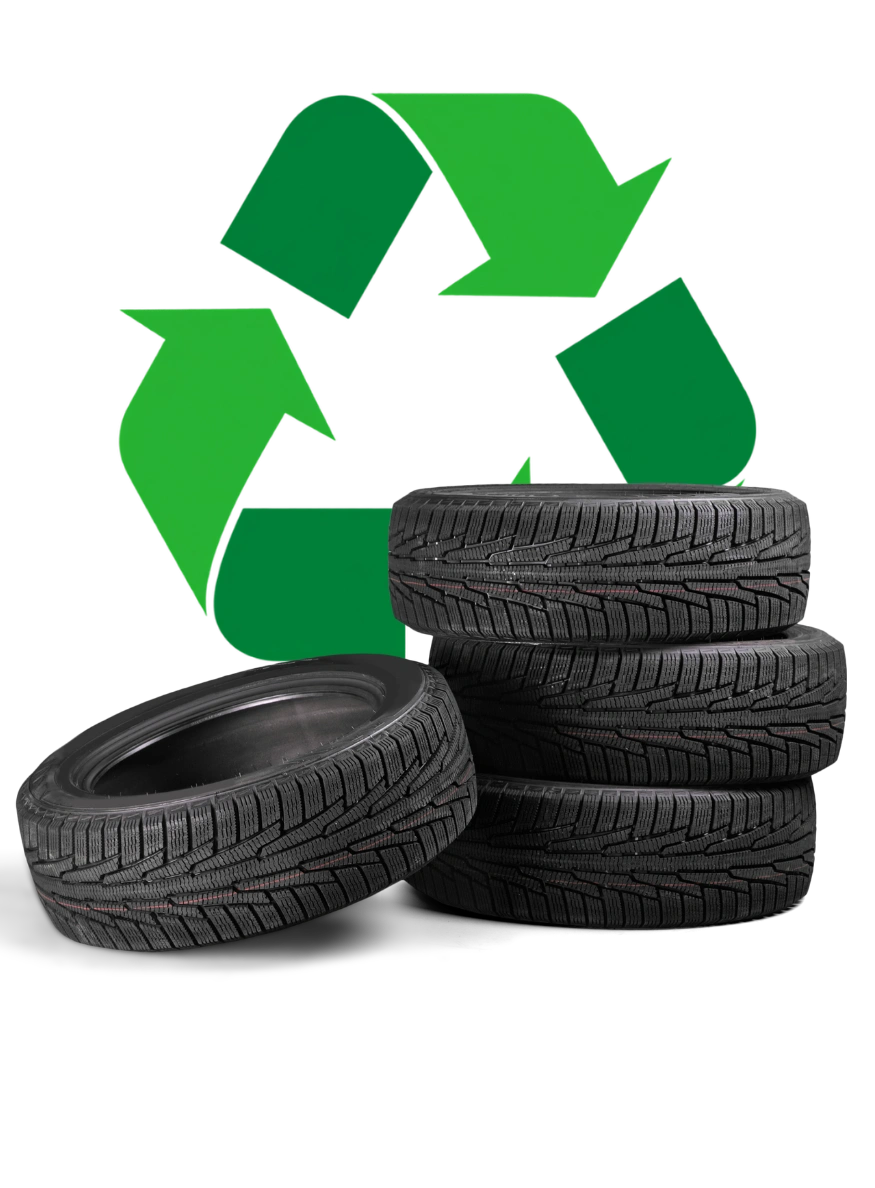
EPR Registration for Tyre Waste is a mandatory CPCB authorization under the Hazardous and Other Wastes (Management and Transboundary Movement) Amendment Rules, 2022 (Schedule IX), required for every producer, importer, and brand owner of new tyres in India, as well as recyclers and retreaders.
Registration happens on the CPCB's centralized Waste Tyre EPR portal, where producers report tyre categories, manufacturing or import quantities, and their EPR compliance plan. Producers must meet escalating annual recycling targets — reaching 100% since 2024-25 — by purchasing EPR or retreading certificates from CPCB-registered recyclers and retreaders. Missing targets or operating without registration can trigger environmental compensation and legal action under the Environment (Protection) Act, 1986.
What Is EPR Registration for Tyre Waste?
EPR Registration for Tyre Waste is the legal authorization that the Central Pollution Control Board (CPCB) grants to tyre producers, importers, and brand owners under the Hazardous and Other Wastes (Management and Transboundary Movement) Amendment Rules, 2022. It formally establishes an entity's Extended Producer Responsibility (EPR) — the obligation to ensure that a defined share of the tyres it manufactures or imports each year is collected and processed through environmentally sound recycling or retreading.
These rules, notified by the Ministry of Environment, Forest and Climate Change (MoEFCC) and effective from 21 July 2022, introduced Schedule IX specifically for waste tyre management. Unlike voluntary industry take-back schemes, EPR for tyre waste is a binding regulatory requirement enforced through a centralized online portal operated by CPCB, where every producer, recycler, and retreader must register before commencing or continuing business activity.
Legal Framework Governing Tyre EPR Registration
Tyre waste EPR in India is governed by the Hazardous and Other Wastes (Management and Transboundary Movement) Amendment Rules, 2022, which amended the parent Hazardous and Other Wastes (Management and Transboundary Movement) Rules, 2016. The tyre-specific framework is laid out under Schedule IX of the amendment.
The amendment rules were notified by MoEFCC and came into effect on 21 July 2022.
Schedule IX defines EPR obligations, recycling targets, and registration requirements for producers, recyclers, and retreaders.
CPCB operates the centralized online Waste Tyre EPR portal for registration, target tracking, and EPR certificate transactions.
Section 15 of the Environment (Protection) Act, 1986 provides the penal framework for non-compliance, false reporting, or unauthorized operation.
Who Needs EPR Registration for Tyre Waste?
Under Schedule IX, the definition of 'Producer' is broad and covers multiple ways a business can be responsible for tyres entering the Indian market. The following categories of entities are required to register on the CPCB Waste Tyre EPR portal:
| Entity Type |
EPR Registration Requirement |
| New Tyre Manufacturers |
Must register as Producer for tyres manufactured and sold domestically. |
| Brand Owners |
Entities selling tyres made by other manufacturers under their own brand must register as Producers. |
| Tyre Importers |
Must register for new tyres imported and sold in the Indian market. |
| Automobile Manufacturers |
Must register if importing vehicles fitted with new tyres, or importing new tyres for domestic vehicle production. |
| Waste Tyre Importers |
Must register separately; their EPR obligation is fixed at 100% of the quantity imported. |
| Recyclers |
Entities converting waste tyres into reclaimed rubber, crumb rubber, or recovered carbon black must register to issue EPR certificates. |
| Retreaders |
Entities renewing tread and sidewall rubber on worn tyres must register to issue Retreading Certificates. |
Recycling Pathways and End-Products Covered
A key part of understanding tyre EPR is knowing what recyclers and retreaders are permitted to produce from waste tyres, since this determines how EPR certificates are generated and valued on the CPCB portal.
| Pathway / Output |
Description |
| Reclaimed Rubber |
Rubber recovered from waste tyres for reuse in new rubber products; a primary route for EPR certificate generation. |
| Crumb Rubber |
Granulated rubber used in road construction, playgrounds, and industrial flooring. |
| Recovered Carbon Black |
Material recovered from tyre pyrolysis used as a reinforcing filler in rubber and plastic products. |
| Retreading |
Renewing the tread and sidewall of a worn tyre to extend usable life; generates Retreading Certificates. |
| Pyrolysis Oil / Char |
Produced through tyre pyrolysis; the import of waste tyres specifically to produce pyrolysis oil or char is prohibited. |
Benefits of EPR Registration for Tyre Waste
Registration is mandatory to manufacture, import, or sell tyres in India.
Avoids environmental compensation charges and legal proceedings under the Environment (Protection) Act, 1986.
Builds credibility with OEMs, dealers, and B2B buyers who require proof of EPR compliance.
Enables access to the EPR and Retreading Certificate trading mechanism on the CPCB portal.
Supports resource recovery of rubber, carbon black, and other materials, reducing dependence on virgin raw materials.
Reduces environmental and fire-safety risks linked to uncontrolled tyre dumping and stockpiling.
Eligibility Criteria for Tyre EPR Registration
Eligibility depends on the role a business plays in the tyre supply chain. You are required to register on the CPCB Waste Tyre EPR portal if your business falls into any of the following categories:
You manufacture and sell new tyres domestically.
You sell new tyres made by other manufacturers or suppliers under your own brand name domestically.
You sell imported new tyres in India.
You import vehicles fitted with new tyres.
You are an automobile manufacturer importing new tyres for use in vehicles sold domestically.
You import waste tyres for recycling.
You operate as a recycler or retreader processing waste tyres.
Documents Required for Tyre EPR Registration
| Document |
Purpose |
| PAN Card of the Company |
Establishes the legal identity of the applicant entity. |
| GST Registration Certificate |
Confirms tax registration status of the business. |
| CIN (Certificate of Incorporation) |
Verifies company registration with the Ministry of Corporate Affairs, where applicable. |
| IEC (Import Export Code) |
Required for importers of tyres, vehicles with tyres, or waste tyres. |
| Aadhaar & PAN of Authorized Signatory |
Identifies the person responsible for filing and compliance. |
| Board Resolution / Authorization Letter |
Authorizes the signatory to act on behalf of the company. |
| Waste Tyre Management Plan |
Describes the applicant's approach to meeting collection and recycling targets. |
| Tyre Category & Quantity Data |
Historical data on tyres manufactured, imported, or sold, used to compute EPR targets. |
| Consent to Operate (CTO) |
Required from the SPCB/PCC for recyclers and retreaders operating a processing facility. |
Step-by-Step Process for EPR Registration for Tyre Waste
Sign Up on the CPCB Waste Tyre EPR Portal: Create an account at the CPCB's centralized Waste Tyre EPR portal using company and authorized-person details, then verify through OTP.
Complete Registration Within 30 Days: Log in with the credentials issued by CPCB and submit the registration form on the portal within 30 days of signing up.
Fill Form 1: Provide company information, category of business activity (Producer/Recycler/Retreader), tyre types, and quantity data.
Upload Supporting Documents: Attach PAN, GST, CIN, IEC (if applicable), authorization letter, and the waste tyre management plan.
Submit the EPR Plan: Outline how collection, recycling, or retreading targets will be met, including any tie-ups with registered recyclers or retreaders.
Pay the Applicable Registration Fee: Complete payment through the CPCB portal's integrated payment gateway, where applicable for your category.
CPCB Review & Verification: CPCB reviews the application and documents, raising queries for any missing or unclear information.
Grant of Registration: On approval, CPCB issues a registration number and the applicant can begin fulfilling EPR obligations through the portal.
EPR Targets and Ongoing Compliance Obligations
The core of tyre EPR compliance is meeting the annual recycling targets fixed by CPCB under Schedule IX. These targets are based on the quantity of new tyres manufactured or imported two years prior (Y-2) and have escalated rapidly to reach full compliance:
| Financial Year |
EPR Target (of tyres manufactured/imported in Y-2) |
| 2022-23 |
35% of quantity manufactured or imported in 2020-21. |
| 2023-24 |
70% of quantity manufactured or imported in 2020-21. |
| 2024-25 onward |
100% of quantity manufactured or imported in the relevant base year (Y-2). |
| New Units (established after 1 April 2022) |
Two-year exemption from obligations, reaching 100% from the third year of operation. |
| Waste Tyre Importers |
Flat 100% of the quantity of waste tyres imported in the preceding year (Y-1). |
Producers fulfil their obligation not by recycling directly, but by purchasing EPR Certificates from CPCB-registered recyclers.
Retreaders can issue Retreading Certificates, which allow a producer to defer part of its EPR obligation by one year.
Recyclers must submit monthly data on waste tyres processed and EPR certificates generated and sold.
All registered entities must file quarterly and annual returns on the CPCB portal by the end of the month following each quarter.
Import of waste tyres specifically to produce pyrolysis oil or char is prohibited under the rules.
Fees for EPR Registration for Tyre Waste
CPCB prescribes registration and renewal fees for producers, recyclers, and retreaders on the Waste Tyre EPR portal, generally structured as a base application fee combined with a per-tonne component linked to the quantity of tyres manufactured or imported. Because fee slabs are periodically revised and can vary by applicant category and scale of operations, it's best to confirm the current, exact fee directly on the CPCB Waste Tyre EPR portal or through a compliance consultant before submitting your application, rather than relying on a fixed published figure.
Validity, Renewal, and Compliance Timeline
| Milestone |
Timeline |
| Registration Form Submission |
Within 30 days of signing up on the CPCB Waste Tyre EPR portal. |
| CPCB Review & Registration Grant |
Typically communicated within about 15 working days of a complete application, per CPCB portal guidance. |
| EPR Certificate Validity |
EPR and Retreading Certificates generated by recyclers/retreaders are valid for two years, as confirmed on the official CPCB Waste Tyre EPR portal. |
| Renewal Application Window |
Recommended at least 60 days before the expiry of existing registration, in line with CPCB's general EPR renewal practice. |
| Quarterly Return Filing |
Due by the end of the month following each quarter, for all registered entities. |
| Annual Return Filing |
Due annually, aligned with the financial year and CPCB's notified deadlines. |
Note on registration validity: the exact validity period of a Producer/Recycler/Retreader's registration certificate itself is reported inconsistently across secondary sources — some cite two years, others cite five. The one figure officially confirmed on the CPCB Waste Tyre EPR portal is that EPR (and Retreading) trading certificates are valid for two years. We recommend verifying your entity's specific registration validity and renewal deadline directly on the CPCB portal or through your registration certificate at the time of approval.
Why Choose Silvereye Certifications for Tyre EPR Registration
Silvereye Certifications works with tyre manufacturers, importers, brand owners, recyclers, and retreaders across India to simplify EPR registration end-to-end — from documentation and portal filing to EPR plan preparation, target tracking, and EPR certificate procurement. Our team stays current with CPCB circulars and Schedule IX target revisions so your compliance never falls behind.
Get Your Tyre Waste EPR Registration Done Right — Talk to Silvereye Certifications
Silvereye Certifications helps tyre manufacturers, importers, brand owners, and retreaders across India complete CPCB EPR registration, track annual recycling targets, and manage EPR certificate purchases — without the compliance headache.
Connect with our regulatory consultants today for end-to-end EPR compliance support for tyre waste management.
Frequently Asked Questions on EPR Registration for Tyre Waste
It is the mandatory CPCB authorization under Schedule IX of the Hazardous and Other Wastes (M&TM) Amendment Rules, 2022, that establishes a tyre producer's, importer's, or brand owner's responsibility to meet annual recycling targets for tyres placed in the Indian market.
A New tyre manufacturers, brand owners, tyre importers, automobile manufacturers importing tyres or tyre-fitted vehicles, waste tyre importers, recyclers, and retreaders.
A Applicants sign up on the CPCB Waste Tyre EPR portal, submit the registration form (Form 1) with company and tyre data within 30 days of sign-up, upload supporting documents, and pay the applicable fee.
A Since financial year 2024-25, the EPR target has reached 100% of the quantity of new tyres manufactured or imported two years prior (Y-2).
As confirmed on the CPCB Waste Tyre EPR portal, EPR and Retreading Certificates generated by recyclers and retreaders are valid for two years.
Yes. Importers of new or waste tyres generally have a flat obligation of 100% of the quantity imported in the preceding year (Y-1), rather than the escalating percentage structure applied to domestic manufacturers.
Yes. Registered retreaders can issue Retreading Certificates, which allow a producer to defer a portion of its EPR obligation by one year.
CPCB can levy environmental compensation charges and may suspend or cancel the entity's EPR registration after giving an opportunity to be heard.
Yes. If an entity operates in more than one category — for example, as both a producer and a recycler — it must register separately for each category on the CPCB portal.
Typically PAN, GST certificate, CIN, IEC (for importers), authorized signatory details, a waste tyre management plan, and historical tyre category and quantity data.